
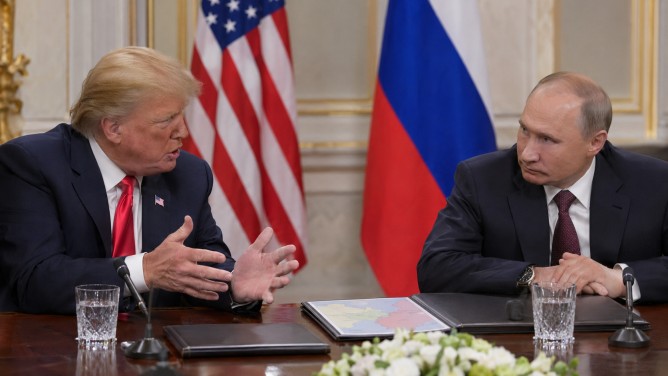
US President Donald Trump has expressed optimism about resolving the ongoing conflict between Russia and Ukraine through diplomatic means, following talks with Russian President Vladimir Putin. During a press conference at the White House on November 20, Trump described his recent meeting with Putin at the APEC summit in Shenzhen, China, as productive, stating that Putin is interested in reaching a peace agreement.
Despite Trump’s positive outlook, significant hurdles remain in the negotiation process. Moscow has rejected a proposal for NATO-style security guarantees for Ukraine, a key sticking point in discussions. Russian Deputy Foreign Minister Sergei Ryabkov stated that Russia would not accept security arrangements that resemble NATO membership or offer equivalent military protections to Ukraine.
US adviser Jared Kushner had indicated that negotiations with Russian representatives had made progress on potential security arrangements, which were reportedly based on NATO’s Article 5 principle, treating an attack against one member as an attack against all. However, the rejection from Moscow underscores the persistent disagreements over Ukraine’s future security and the terms of a potential settlement.
Trump chose not to discuss specific security guarantees for Ukraine pending the finalization of a peace deal, emphasizing that a diplomatic agreement must first be reached. He acknowledged the conflicting public statements between Washington and Moscow as part of the broader diplomatic efforts surrounding the negotiations.
Meanwhile, the situation on the ground remains tense, with Russian forces continuing military operations in Ukraine. A recent missile and drone attack targeted Ukraine’s electricity infrastructure, resulting in the deaths of at least eight people. This ongoing aggression highlights the challenges faced in securing a lasting peace agreement, as Ukraine continues to demand reliable international security guarantees to prevent further Russian hostilities.