
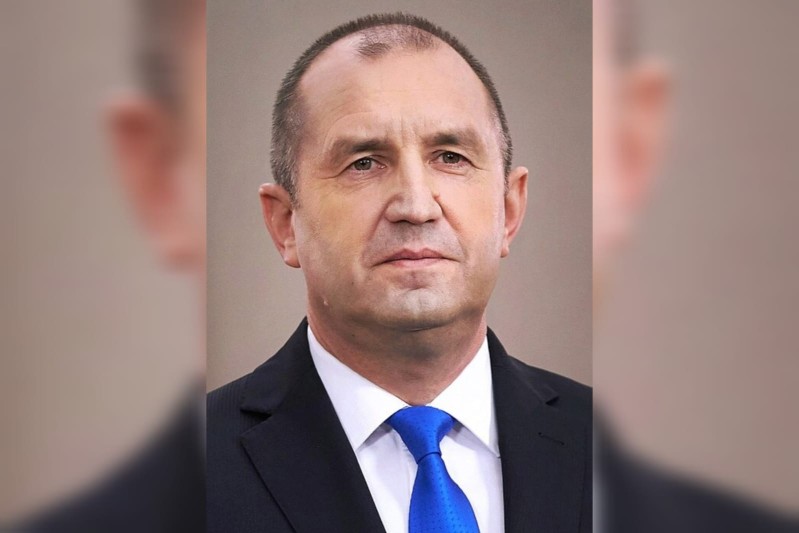
On May 8, newly-elected Bulgarian Prime Minister Roumen Radev announced that his administration would tackle rising prices by leveraging market economy tools rather than imposing price ceilings. Radev emphasized that addressing the trend of increasing costs would be a top priority for his government, as he revealed plans to introduce legislative changes aimed at clarifying the pricing process and combating unfair competition. The Prime Minister also highlighted the necessity of protecting Bulgarian producers from practices that compel them to sell nearly at cost, particularly impacting dairy and livestock sectors.
Radev convened his Cabinet’s first meeting on the same day, outlining his administration’s primary goals: judicial reform, anti-corruption efforts, and safeguarding funds under the Recovery and Resilience Plan. He tasked his ministers with conducting a thorough analysis of their departments, focusing on financial conditions, problematic contracts, and excessive administration. These evaluations would inform the drafting of the state budget, with Radev underscoring the need to address hidden deficits and unpaid invoices to aid the Finance Minister in budget structuring.
The Prime Minister stressed the dismantling of the oligarchic model, advocating for an energetic government to combat corruption. He called for an independent Prosecutor’s Office and a reformed Supreme Judicial Council, with plans to collaborate with the National Assembly to elect a new Prosecutor General. Radev also committed to enhancing the business environment in Bulgaria, aiming to attract investments, increase digital services, and streamline regulations.
Regarding foreign policy, Radev pledged to maintain Bulgaria’s interests within its alliances, while prioritizing education improvements to foster young people’s professional growth. In healthcare, he emphasized accelerating the construction of the National Children’s Hospital and eliminating abuses in the system. The government intends to ensure social payments for vulnerable groups, emphasizing solidarity’s role in societal cohesion.
Transport and infrastructure development will also be focal points, including exploring public-private partnerships for greater connectivity. In the energy sector, Radev aims for maximum utilization of domestic resources to enhance autonomy and affordability of electricity. Food security and the expansion of Bulgarian production are on the agenda, alongside efforts to balance business, production, and environmental concerns. Lastly, Radev underscored the significance of developing Bulgarian culture, heritage, tourism, and promoting mass sports for children.