
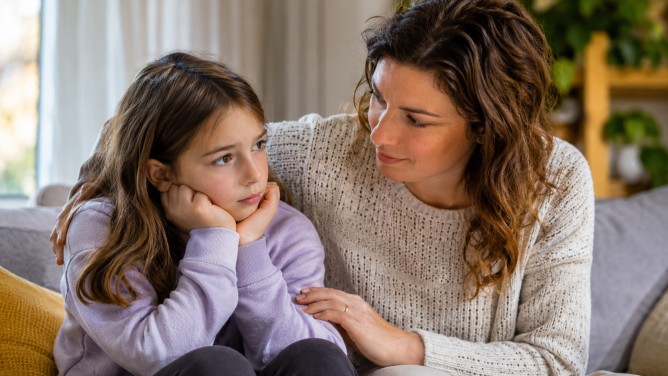
Children, much like adults, can experience anxiety, manifesting as fear, emotional pressure, and persistent worry. This can be particularly challenging for younger children who may struggle to articulate their feelings. Parents and caregivers are urged to pay close attention to shifts in behavior, physical health, and daily routines to identify potential signs of anxiety.
Physical complaints are a common indicator, with children often reporting stomach aches, headaches, or nausea, especially in anticipation of school or new activities. Such symptoms should not be dismissed outright, as emotional distress can translate into physical discomfort.
Behavioral changes can also signal anxiety. Children may become irritable, overly sensitive, or clingy, refuse to sleep alone, or exhibit distress over minor events. Additionally, they may withdraw from activities they previously enjoyed or avoid social interactions.
Another hallmark of anxiety is difficulty sleeping or concentrating. Children may struggle to fall asleep, experience restless nights, or have trouble focusing on schoolwork. Frequently asking questions or seeking reassurance can be a child’s way of managing uncertainty.
Various pressures, including academic expectations, busy schedules, and family tensions, can exacerbate anxiety. Despite adults’ assumptions, children are often sensitive to household stress even if they seem unaware.
To support children, parents should foster a supportive environment where feelings can be openly expressed. Encouraging simple conversations about emotions, maintaining regular routines, spending quality time together, and listening without judgment are crucial steps. It’s also important to avoid placing unnecessary pressure on children and to limit excessive screen time to promote healthy habits.
If anxiety significantly impacts a child’s daily life, such as affecting school attendance or relationships, consulting a child mental health professional is advised. Ultimately, helping children manage anxiety involves understanding and patience, enabling them to gradually build confidence in expressing their feelings and tackling challenges.