
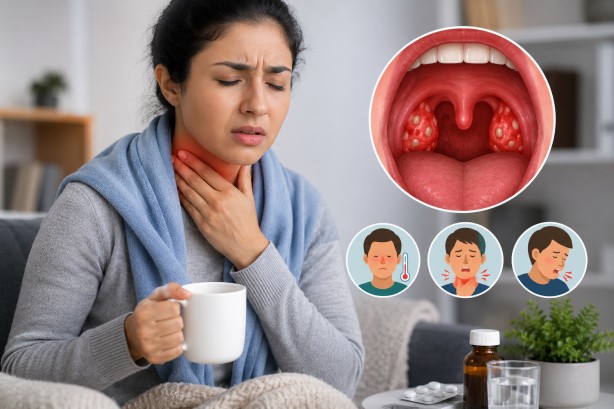
A persistent sore throat accompanied by fever, swollen tonsils, or difficulty swallowing might be a sign of tonsillitis, an inflammation of the tonsils at the back of the throat. This condition can result from either viral or bacterial infections, such as those caused by group A Streptococcus. Due to the similarities in symptoms between viral and bacterial causes, a medical assessment is often necessary to ascertain the exact cause.
Symptoms of tonsillitis include a sore or painful throat, fever, red or enlarged tonsils, and difficulty swallowing. Additionally, individuals might experience a headache, tiredness, swollen glands in the neck, bad breath, and in some instances, white patches or spots on the tonsils. For mild viral infections, rest and supportive care like staying hydrated, ensuring adequate sleep, and using warm salt-water gargles can alleviate throat discomfort. Pain or fever-reducing medications may also be beneficial when deemed safe by a healthcare provider.
Antibiotics are generally reserved for cases where tonsillitis is bacterial in nature. They are ineffective against viral infections and should only be taken under medical guidance to avoid contributing to antibiotic resistance. Individuals who suffer from repeated or severe episodes might require further evaluation and potentially the surgical removal of tonsils in certain situations.
Practicing good hygiene is key to reducing the risk of infection spread. Regular hand washing, avoiding the sharing of drinking glasses or utensils, covering your mouth when coughing or sneezing, and minimizing close contact with others while ill are important preventive measures. Maintaining adequate sleep, hydration, and a balanced diet also supports general health during recovery.
Medical attention should be sought if symptoms become severe or worsen rapidly. Urgent care is necessary for severe throat swelling, increased difficulty swallowing, severe one-sided throat or ear pain, difficulty opening the mouth, or a noticeably muffled voice. Immediate medical intervention is crucial for difficulty breathing, an inability to swallow saliva, or rapidly increasing throat swelling, as these could indicate serious complications. While most cases recover with suitable care, the recovery duration varies based on the infection’s cause and severity. Persistent or worsening symptoms should prompt a healthcare professional’s evaluation rather than self-treatment.