
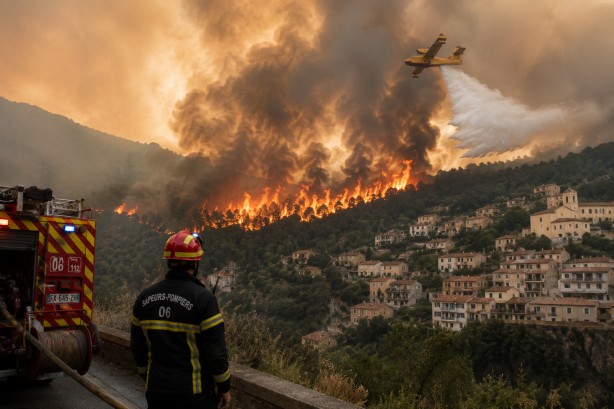
Europe is grappling with widespread wildfires as flames sweep across regions in Greece, France, Spain, and the United Kingdom. The situation has forced evacuations and intensified discussions about climate-related security threats. In Greece, authorities are contending with severe fires on the island of Crete, while parts of England have officially declared drought conditions amid ongoing extreme heat.
Officials across Europe are sounding the alarm, noting that climate change is exacerbating wildfire risks, thereby posing significant threats to public safety, food security, and vital infrastructure. In response, the United Kingdom, France, and other European nations have committed to enhancing their cooperation efforts. This includes improving strategies for wildfire prevention, refining emergency response protocols, and building resilience against climate impacts.
The heatwaves enveloping the continent have also been deadly, contributing to thousands of heat-related fatalities this year alone. This troubling trend underscores the escalating consequences of extreme weather patterns and highlights the urgent need for more robust climate adaptation measures across Europe.
As the fires continue to rage, they serve as a stark reminder of the tangible impacts of climate change. European leaders are increasingly recognizing the necessity of addressing these challenges head-on, not only to protect their citizens but also to safeguard the continent’s critical resources and infrastructure.
The collaborative efforts being pledged by European countries aim to mitigate the damage caused by such disasters in the future. Yet, as the situation stands, the immediate focus remains on combating the fires and ensuring the safety and security of affected populations.