
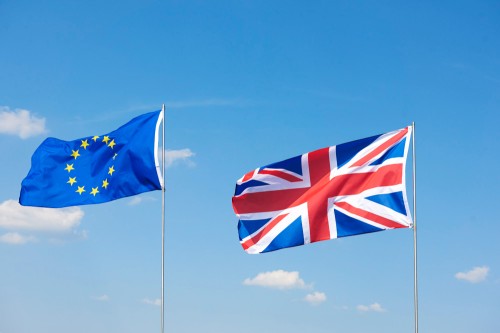
The UK government is contemplating the establishment of a single market for goods with the European Union as part of its strategy to enhance post-Brexit trade relations and stimulate economic growth. This idea was brought to the table during recent discussions in Brussels, where senior UK officials engaged with their European counterparts to improve economic cooperation.
Despite the proposal, European officials have expressed limited enthusiasm, instead suggesting alternatives such as a customs union or joining the European Economic Area (EEA). The UK government, however, remains firm in its stance against rejoining the EU single market or customs union, as well as rejecting the free movement of people, which complicates the acceptance of these alternative options.
As both sides gear up for a UK-EU summit anticipated in July, the focus of discussions is expected to shift towards practical agreements. Key areas of negotiation include a veterinary and food standards deal aimed at facilitating trade in agricultural products, linking carbon emissions trading systems, and implementing a youth mobility programme to enhance opportunities for study and work.
Additionally, the UK is keen on fostering closer cooperation in sectors such as defence, steel, electric vehicles, and technology. British officials argue that improved trade arrangements could bolster long-term economic growth and enhance industrial collaboration across Europe. However, the EU remains cautious about granting the UK special access to the single market, fearing that such concessions might fuel Eurosceptic sentiments in other European countries.
Negotiations are ongoing as both parties prepare for the upcoming summit, with the aim of reaching mutually beneficial agreements that could pave the way for strengthened economic ties post-Brexit.